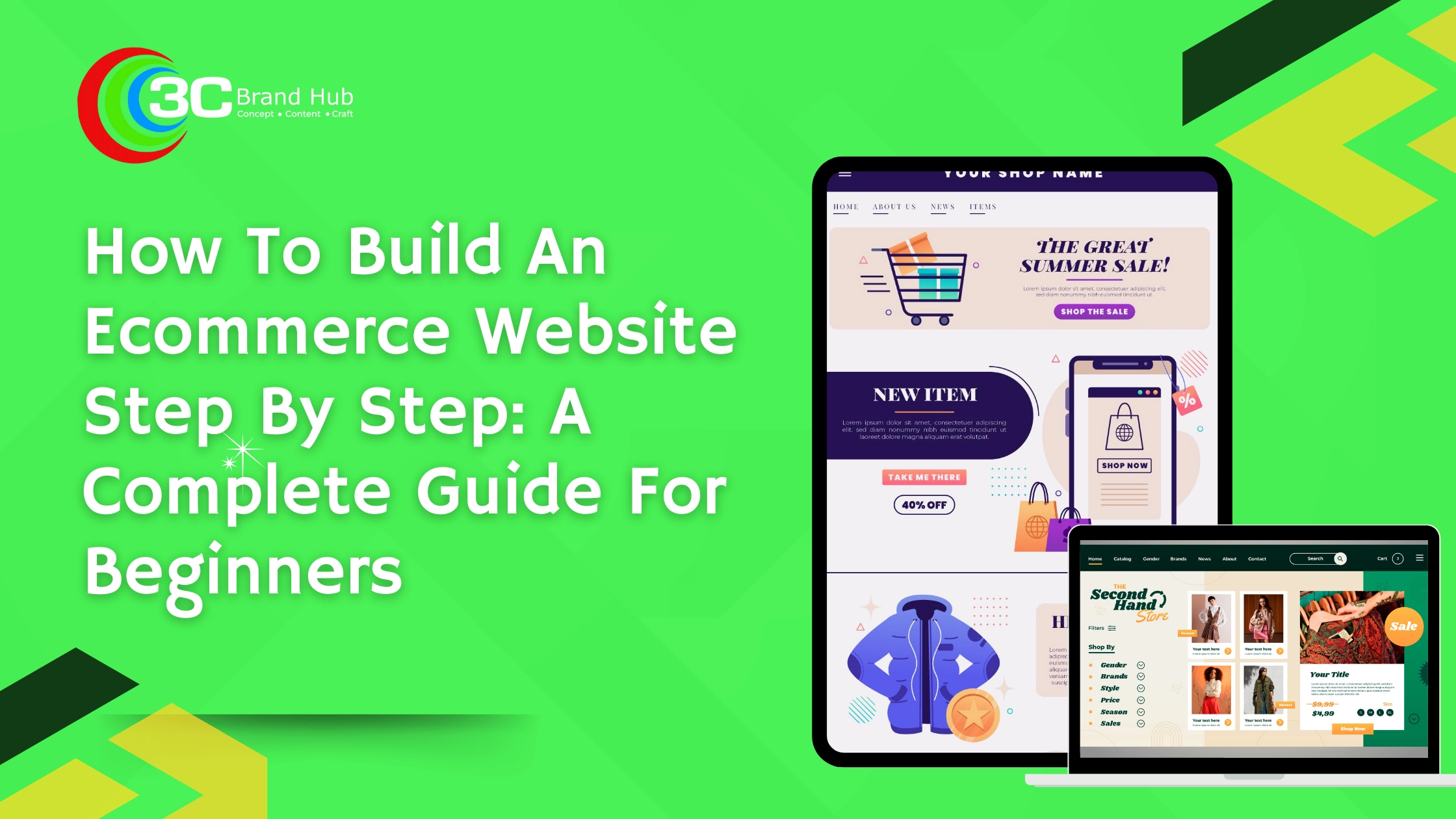
Starting an online store can feel confusing at first. Many beginners search daily for how to build an ecommerce website step by step because they want clear guidance without technical jargon. This guide explains the full process in simple language, with practical steps you can follow confidently.
By the end of this article, you will understand how to build an ecommerce website step by step in a way that feels achievable, even if you are starting from zero.
What An Ecommerce Website Really Needs
Before jumping into tools or design, it helps to know what makes an ecommerce website successful. A good store is not just about selling products. It is about creating trust and making buying easy.
A strong ecommerce website usually includes:
- Clear product categories
- Simple navigation
- Fast-loading pages
- Secure checkout
- Mobile-friendly layout
Clean ecommerce website design ensures visitors do not feel lost. This foundation also supports long-term ecommerce website development when your business grows.
Step 1: Set Clear Business Goals
The first step in how to build an ecommerce website step by step is clarity. Decide what you want to sell and who you want to sell it to.
Ask yourself:
- What problem does my product solve?
- Who is my ideal customer?
- Do I want to sell locally or globally?
If you are learning how to create an ecommerce website for small business, starting with one niche makes decisions easier and reduces risk.
Step 2: Choose The Right Ecommerce Platform
Choosing the best platform to build an ecommerce website shapes your entire journey. Beginners usually pick platforms that balance ease and flexibility.
Popular options include:
- Shopify – simple and fast for beginners
- WooCommerce – flexible and budget-friendly
- Magento – powerful for large stores
Each platform supports professional ecommerce website development when set up correctly.
Step 3: Plan Website Structure And Navigation
Good structure helps users find products quickly. This step matters more than most beginners expect.
Your site structure should include:
- Home page with clear value
- Category pages
- Product pages
- About and contact pages
- Policies and FAQs
This planning step explains how to build an ecommerce website step by step in a user-focused way.
Step 4: Design For Trust And Simplicity
Effective ecommerce website design focuses on clarity, not decoration. Visitors decide in seconds whether they trust your store.
Trust-building elements include:
- High-quality product images
- Clear pricing and delivery details
- Visible contact information
- Secure website indicators
Many beginners overlook this stage while learning how to build an ecommerce website step by step, but trust directly affects sales and supports strong ecommerce website development.
Step 5: Add Products The Right Way
Adding products is not just uploading images. Each product page should help customers decide quickly.
A good product page includes:
- Simple product titles
- Clear benefits and features
- Honest descriptions
- Easy-to-read pricing
This approach works especially well for ecommerce website development for beginners who want results without complexity.
Step 6: Set Up Payments And Checkout
A smooth checkout decides whether visitors complete purchases. Trusted gateways reassure buyers instantly.
Commonly used options:
- PayPal
- Stripe
If someone asks whether secure payments matter, the answer is always yes. This step shows how to build an ecommerce website step by step with customer confidence in mind.
Step 7: Understand Ecommerce Website Development Cost
Many beginners worry about budget. Ecommerce website development cost depends on design, features, and platform choice.
Typical cost factors include:
- Domain and hosting
- Platform subscription or plugins
- Design and customization
- Ongoing maintenance
Smart businesses plan ahead. Some quietly consult experienced teams like 3C Brand Hub for guidance while keeping their brand voice independent. This balanced approach supports scalable ecommerce website development.
Step 8: Test Before You Launch
Testing helps you catch problems early and saves future headaches.
Before launch, check:
- Page speed on mobile and desktop
- Checkout flow
- Forms and buttons
- Emails and notifications
Following an ecommerce website checklist for beginners makes this step easier and explains how to build an ecommerce website step by step with confidence.
Step 9: Launch With SEO And Tracking Ready
Search visibility matters from day one. Simple SEO steps help Google understand your store.
Essential launch actions:
- Use clear page titles and headings
- Optimize product descriptions
- Connect Google Analytics
- Track user behavior and sales
These steps strengthen long-term ecommerce website development and organic growth.
Step 10: Improve And Grow Over Time
Launching your store is only the beginning. Continuous improvement explains how to build an ecommerce website step by step as an ongoing process.
After launch, focus on:
- Improving product pages
- Adding customer feedback
- Expanding categories slowly
- Optimizing speed and usability
Anyone learning how to build an online store from scratch succeeds faster by listening to users and making steady improvements.
Final Thoughts
Learning how to build an ecommerce website step by step becomes much easier when you focus on clarity, trust, and usability. Simple design, honest content, and thoughtful planning outperform shortcuts every time.
Whether you want to build an ecommerce website for a startup or scale a growing brand, these steps create a solid foundation. When done right, how to build an ecommerce website step by step turns from a challenge into a repeatable system for long-term success.